
Bladder problems when living with MS

Image of Ilse sitting in her living room. Multiple Sclerosis causes damage to the nervous system, disrupting messages from the brain, and can therefore interfere with a wide range of bodily functions. Your bladder can be particularly susceptible to disruption. 
Ilse | Living with MS

Bladder issues when living with MS

Multiple sclerosis (MS) causes damage to the nervous system, disrupting messages from the brain, and can therefore interfere with a wide range of bodily functions. Your bladder can be particularly susceptible to disruption. 

Bladder issues are not uncommon when living with MS. In fact, 4 in 5 people living with MS are affected by continence challenges at some point in their life.1 

Image of Gullborg sitting in at her table with a coffee and newspaper. Bladder issues are not uncommon when living with MS. In fact, more than 4 in 5 people living with MS are affected by continence challenges at some point in their life.
Gullborg | Living with MS

Bladder overactivity2


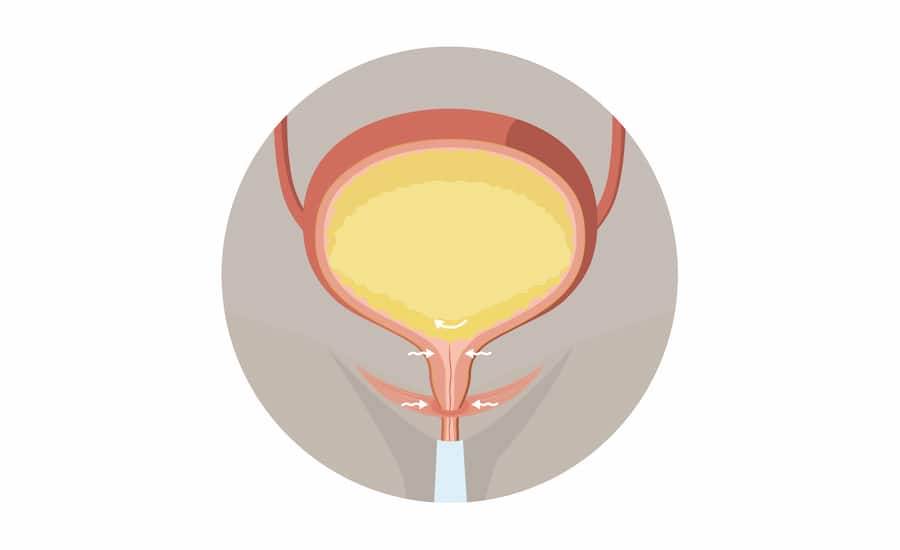
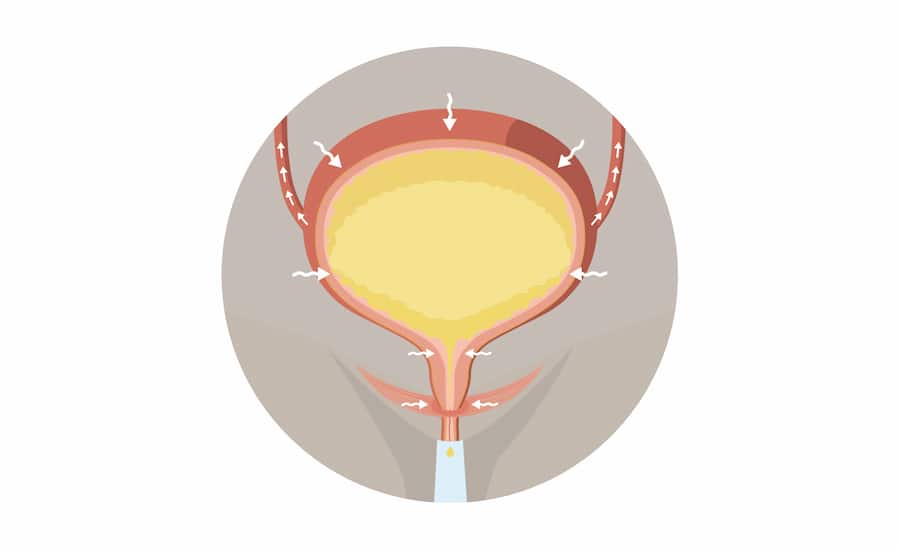
More than half of people living with MS experience some form of overactivity or failure to store urine with their bladder. The bladder may contract even when it is not full. This leads to feelings of urgency, urge incontinence, and means that people need to visit a bathroom more frequently than normal.3

Urinary retention2


Sometimes, the smooth muscle of the bladder can be ‘underactive’. If this muscle does not work to push the urine out of the bladder, urine remains in the body even after going to the bathroom. This is known as “urinary retention”. You may feel the need to void yourself more frequently3 and experience a weak urine flow when going to the toilet.4 Underactivity is observed in 1 in 5 people living with MS.2

Detrusor sphincter dyssynergy²


At times, the different functions of the bladder stop working together: bladder muscle contractions may not be coordinated with urinary sphincter muscles opening. Just like how a tap’s valve can prevent water from flowing even when there is pressure, a closed sphincter will prevent urination despite bladder contractions. In this case, your bladder may show signs of both overactivity and urinary retention. DSD can be seen in 1 in 4 people living with MS.2

Recognising signs of bladder dysfunctions in your behaviour

It is not always easy to know if you are experiencing bladder issues. Sometimes for example, people normalise bladder overactivity or don’t notice how often they need to use a bathroom, instead finding coping strategies to deal their issues.

Take the MS bladder check

You can use our MS bladder check to reflect on any current bladder-related symptoms of your MS.5 You will be asked questions such as:

  • Does the number of times you urinate per day impact your daily life?
  • On a typical night, do you have to get up more than once to urinate?
  • Have you received any antibiotics for a bladder infection within the past 6 months?

If you answer “yes” to any questions in the MS bladder check, you should consider discussing your bladder symptoms with your MS nurse or doctor to receive help in treating the symptoms.

Get your bladder diary 

You can also download our bladder diary to help you reflect on how your bladder is performing and open up a dialogue with your healthcare professional.

"Many catheter users are unaware of their bladder issues at first, a common symptom of MS related bladder symptoms is needing to go to the toilet more frequently than other people."

Michael | Living with MS

Portrait photo of Michael sitting on his motorbike.
Michael | Living with MS

"Some people with MS may have trouble emptying the bladder completely, this may lead to bladder infections."

Elisa | Living with MS

Portrait image of Elisa
Elisa | Living with MS

If you are experiencing of bladder issues, it's always important that you consult a healthcare professional for medical advice and support.